Identifying high-quality kratom is essential both to ensure consumer safety and to guarantee that the product maintains a consistent chemical profile. Kratom quality is not determined solely by its color or appearance, but by a combination of factors including purity, alkaloid content, and proper post-harvest processing. There are two complementary approaches to evaluating quality: laboratory analysis and observable visual indicators in the leaf or powder.
Visual Quality Indicators
The first step in evaluating kratom is to observe its physical characteristics. Key criteria include:
Uniform color: Green, red, or white leaves should display a consistent tone, without dark spots or areas burned by excessive heat. Extreme variations may indicate uneven drying or improper storage.
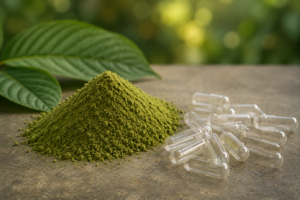
Texture and powder fineness: High-quality kratom should be homogeneous, without large clumps or excessive stem residue. Powder that is too coarse may reflect poor processing.
Characteristic aroma: Fresh, well-preserved kratom has a distinct herbal scent, slightly bitter. Musty or moldy odors are signs of deterioration.
Whole leaves: When whole leaves are available, their integrity and flexibility indicate controlled drying. Brittle or overly dry leaves may have lost important active compounds.
These visual indicators allow for a preliminary assessment but do not provide precise information about alkaloid content or potential contaminants.
Laboratory Analysis
For a scientific and objective evaluation of kratom quality, laboratory testing is essential. The most relevant parameters include:
Alkaloid profile: The concentration of mitragynine and 7-hydroxymitragynine is a key indicator of potency and authenticity. Specialized laboratories use high-performance liquid chromatography (HPLC) to accurately quantify these compounds.
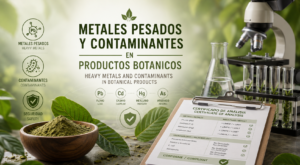
Purity and absence of contaminants: Heavy metals, pesticides, and potential microorganisms are analyzed. This ensures the product is safe for consumption.
Residual moisture: Proper water content prevents mold growth and alkaloid degradation, maintaining the chemical stability of kratom.
Pigment stability: The preservation of chlorophyll and other pigments indicates proper drying and minimal oxidation, reflecting controlled production processes.
Comparison Between Methods
While visual indicators provide a quick and accessible evaluation, laboratory analysis offers quantitative and verifiable data. Combining both approaches is the most effective way to ensure the purchase of high-quality kratom. A product that meets visual criteria and is supported by laboratory results confirming a consistent alkaloid profile and purity is considered premium quality.
Identifying high-quality kratom requires a comprehensive approach that combines careful observation with scientific analysis. Consumers and retailers should pay attention to both the physical characteristics of the product and the laboratory certificates that support its composition and safety. This strategy not only ensures a reliable product but also contributes to the transparency and professionalization of the kratom market in Europe.