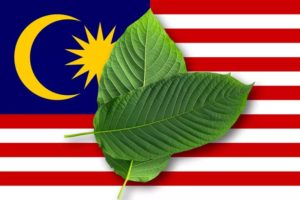
White kratom is typically produced from younger leaves, harvested before they reach full maturity. These leaves contain developing alkaloids, and the goal of processing is to preserve these compounds in their most original form. Although the term “white” is also associated with the lighter color of the leaf vein at this stage, the determining factor is again the drying method.
In this case, drying is usually faster and involves greater exposure to direct sunlight. This process reduces the time during which oxidation or fermentation reactions can occur, thus preserving the chemical structure of the alkaloids with fewer alterations. As a result, the final product has a lighter color, often paler or slightly beige.
From a chemical standpoint, white kratom tends to retain a higher proportion of unmodified mitragynine, as it has been less exposed to conditions that promote its transformation. However, as with all varieties, the final profile can vary depending on factors such as the growing region, environmental conditions, and the specific techniques used by each producer.
White kratom is distinguished by its rapid processing and minimal oxidation, which allows the alkaloids to be preserved in a state closer to their original state. Its light color results from both the youth of the leaf and a less aggressive drying process.